

At first glance, not much.
Different music. Different generations. Different audiences.
But there is one thing that connects them – the moment a concert is announced for Macedonians, we all suddenly become experts in event management.
How should it be organised?
Who should finance it?
How much should the ticket cost?
Which venue should be used?
Who should perform?
And, inevitably:
“I would have done it differently.”
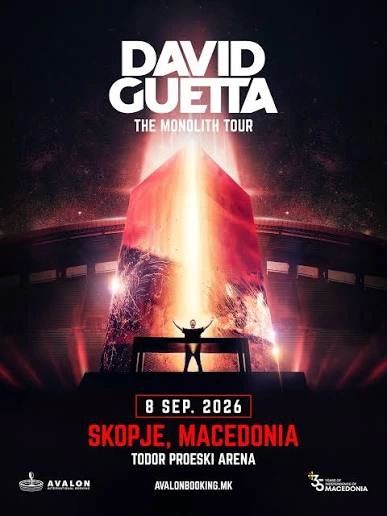
We saw it after David Guetta’s performance in Skopje. Social media was full of discussions and criticism about the organisation, ticket prices, promotion and almost every other aspect of the event.
And now it is happening again.
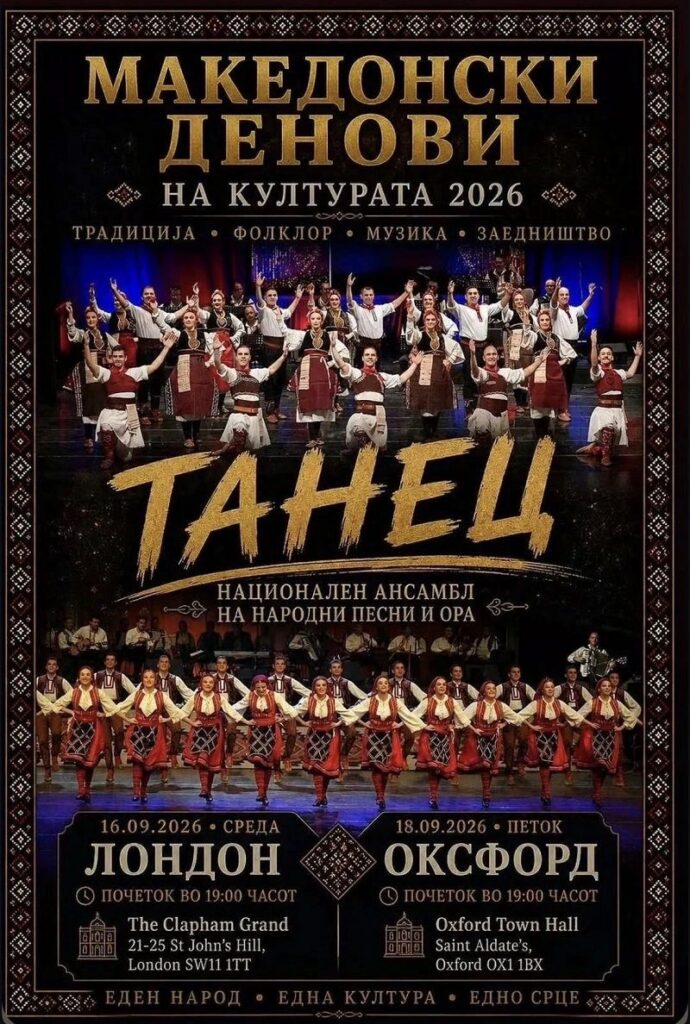
Next week, Tanec and Slatkaristika are coming to the UK, with performances in London and Oxford.
The advertising has barely started, yet Macedonian WhatsApp groups and social media are already full of opinions.
Some love the idea.
Some question the price.
Some question the organisers.
Some would have chosen different artists.
And some, I am sure, already have a complete alternative business plan!
But perhaps there is something positive in all of this.
Macedonians care.
We care about our culture. We care about our artists. We care about our community. And we care about how Macedonian events are presented internationally.
I have previously been part of teams organising Macedonian events and concerts featuring artists such as Toše Proeski, Esma Redžepova, Goce Arnaudov, Maja Vukićević…
From that experience, I know that what the audience sees on stage is only the final part of a much bigger operation.
Behind a few-hour concert are months of planning, negotiations, budgets, venues, contracts, production, promotion, ticketing, travel, accommodation, insurance and countless unexpected problems.
And, ultimately, there are people who have to be prepared to take the financial and organisational risk to make the event happen.
That is why I think we should distinguish between constructive criticism and criticism from the sidelines.
Perhaps before saying “I would have done it differently”, we should sometimes ask:
“Would I actually be prepared to organise it?”
If the answer is no, there is still something very valuable we can do:
Buy a ticket. Show up. Enjoy the music. Support the artists. Support the organisers. And support Macedonian culture in the UK.
Because if we want more Macedonian cultural events, artists and initiatives abroad, we need not only an audience of critics – we need an audience that supports them.
After all, we Macedonians may disagree about almost everything…
but we certainly know how to have a party – and, of course, an opinion!
KM